Cash, Totes, and Cinnamon Rolls: Your Weekend Map to Ottawa's Holiday Bazaar Season
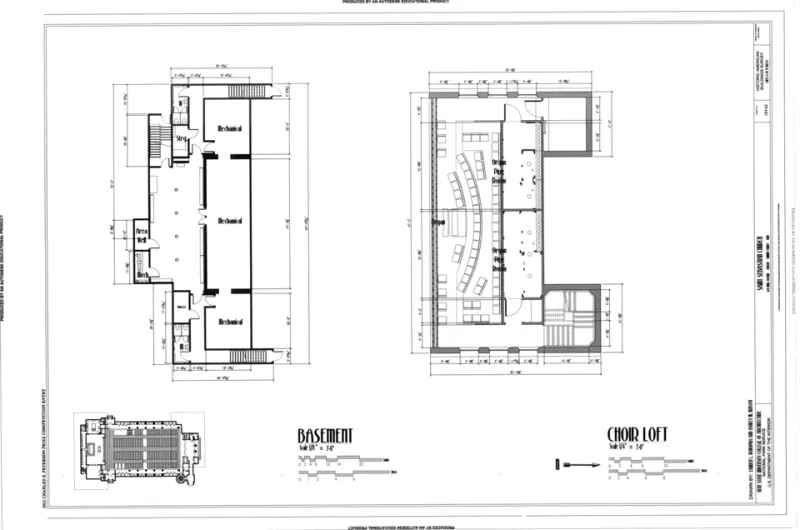
Photo: Related names: Kraus, Robert, Sr; Murphy, Elizabeth Corbin, FAIA, faculty sponsor; Breen, Michael P., delineator; Hooks, Nathan R., delineator; Konopka, Lauren L., delineator; Kristof, Ashley M., delineator; Ladouceur, Adam J., delineator; Peters,
There is a very specific smell to a holiday bazaar, and if you grew up around here, you can identify it from the parking lot: coffee in a big urn, craft-store cinnamon, and the faint vinyl-and-pine scent of a plastic tablecloth that gets unrolled once a year. It is one of the great seasonal pleasures of small-town life, and it is happening every weekend between now and mid-December.
Here's how to work the circuit without wearing yourself out.
Why these small fairs actually matter
Somebody's fundraiser check is being written at every one of these tables. Youth groups and church youth programs, school clubs, food pantries, 4-H chapters, quilting guilds, booster clubs, scout troops, and the older couple who make exactly one thing and have been making it for thirty years.
The economics are simple and slightly magical: most vendors are local, most shoppers are local, and the money takes a very short trip before it shows up again as a new scoreboard, a bus trip, or a grocery sack of supplies. You cannot say that about anything you order online at midnight. And you cannot run into three people you know in a warehouse store parking lot, either.
How to plan a crawl
These things are clustered, and they are usually in unassuming places — fellowship halls, school gyms, community rooms, the fairground buildings. Few of them are advertised with a billboard; most travel through flyers on a bulletin board, Facebook posts, and one neighbor who knows everything.
A few ground rules for a successful run:
- Pick two, maybe three, in one morning. More than that and you stop seeing what's actually on the tables.
- Go early for food, late for discounts. The cinnamon rolls and pies are gone before mid-morning. The crafters who don't want to pack it all up will start making deals in the last hour.
- Bring a big tote. The woven grocery bag, the sturdy one, not the flimsy promotional one that will fail at noon.
- Bring small bills. Many tables can't run a card and none of them want to break a hundred at nine in the morning.
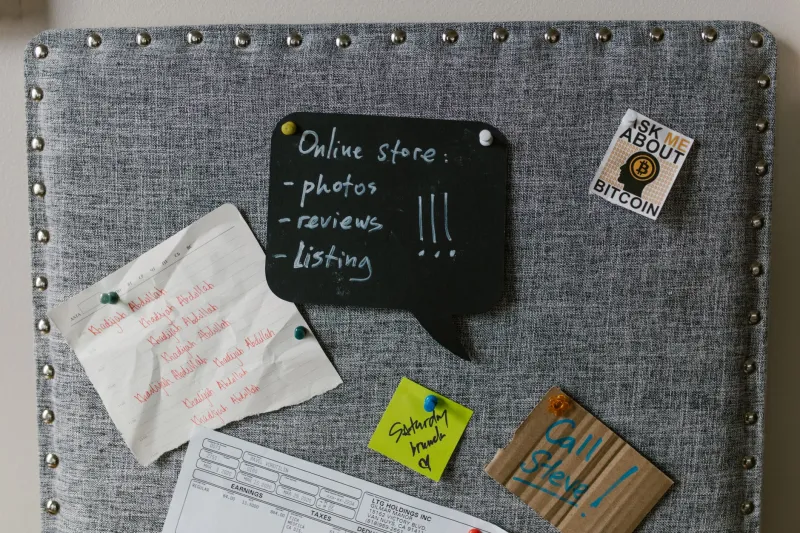
- Take a paper calendar or a screenshot. You will absolutely hear about a fair from somebody at a fair and forget the details. Write it down.
The weekend-by-weekend shape of it
Mid-November weekend. This is the warm-up. Smaller fairs, more church basements than school gyms, and a heavy emphasis on baked goods and needlework. Good weekend for browsing, seeing what people made this year, and getting your name in every raffle drawing.
The weekend before Thanksgiving. The busiest Saturday of the whole run. Everyone wants to be out before the cooking starts, and vendors know it. Expect the best selection of handmade gifts and the longest lines at the food tables.
Thanksgiving weekend. Things get quieter and slightly odd. Some events move to Friday; some skip the holiday entirely. If you have family in town, this is the low-pressure weekend — fewer crowds, more time to talk to the people behind the tables, which is honestly half the point. Watch for leftover-bake-sale pricing. It's the best deal of the season.
Early December. The big school fairs land here. Gyms full of tables, kids selling things they made in shop class, a silent auction that somehow always includes a meat bundle, and a concession stand run by people who know exactly what they're doing. Go early. These are crowded and lively and loud in the best way.
Mid-December. The last-chance weekend. Inventory is thinning, the deals get real, and the mood is a little punchy. Excellent for stocking stuffers and terrible for finding a specific item you waited to buy. Learn from my mistakes.
Etiquette for first-timers
Don't haggle on handmade. A woman who spent three weekends knitting a pair of mittens has already priced them honestly. The discount table is the discount table; the rest is not.
Ask the maker a question. What stitch is that? Where do you get your wood? How long does one of these take? It is a perfectly normal thing to ask, it makes the whole table more fun, and you'll remember the purchase.
Watch your stroller. Aisles between folding tables are narrow. It's not a judgment, it's a fire code.
Don't take the last two of anything without checking whether they're someone's gift. Joking. Mostly.
Bring a kid if you have one. Bazaars are one of the few places left where a child can walk up and hand a real adult a five-dollar bill and get change and a thank-you. Let them buy something with their own money.
Leave the dog home. I love your dog. Your dog cannot come in here.
Clean up after yourself. There is no staff. There's a nice person named something like Delores who brought the urn from her garage.
Tables worth hunting for
Every fair has its own signature, but there are reliable patterns:
- The cinnamon roll table. Arrive in the first hour or accept your fate.
- The quilt raffle. Buy the tickets. Buy them from the person holding the poster, who is usually the world's most persuasive ten-year-old.
- The dollar grab bag. A box of mystery items for a buck. Children become economists.
- The woodcraft table. Cutting boards, bird feeders, and small things that make excellent gifts for the person who already has everything.
- The jams and relishes. Somebody's grandmother is not messing around. Buy two.
- The used-book corner. Almost always underpriced and almost always has one book you were meaning to read.
- The handmade ornament table. Every family's tree eventually becomes a record of these things, and you never remember which fair you got them from. Start writing the year on the back.
One last thing
You will leave with a tote full of things and a lighter wallet and probably a piece of pie wrapped in wax paper. You'll see a neighbor you haven't talked to since summer. Someone will ask about your mother. That is the entire product being sold here, and it's worth the price of admission, which is zero.
Start somewhere this weekend. The bazaars are close, the coffee is hot, and there's a parking spot with your name on it behind the church.