One Trailer, Two Dozen Neighbors, Zero Invoices: How an Ottawa Block Built Its Own Safety Net
Somewhere on the east side of Ottawa, there's a utility trailer that has hauled a water heater, three loads of storm brush, a riding mower, and — at least once, according to two separate sources — a piano. Nobody owns it, exactly. Everybody kind of owns it. And it might be the single most important piece of civic infrastructure on the block.
This is a story about what happens when a handful of neighbors decide that waiting on someone else to solve problems is a losing strategy. No nonprofit letterhead. No grant applications. Just a group text, a check-in list, and a trailer with a rusty latch that gets borrowed more often than a library book.
It Started With an Ice Storm, Like Most Things
Ask anyone on the block when the arrangement officially began and they'll point to the February ice storm a few years back — the one that dropped limbs across fences and knocked power out for days. When the roads cleared, a retired teacher named Dale fired up his John Deere and started cutting his way down the street. Not just his yard. Everybody's.
"I didn't do anything heroic," Dale insists, which is what everyone says right before they describe something heroic. "I had a chainsaw and time. The guy two doors down had a bad hip and a oak branch through his carport. You do the math."
The math caught on. By spring, a few neighbors had put together a simple list: who has what equipment, who's willing to lend it, and — crucially — who on the block might need a knock on the door when the weather turns. The list went from a sticky note to a laminated sheet. Then to a group chat. Then to a full-blown system.
The Trailer That Changed Everything
The trailer itself came about when the block got wind that the city's storm debris pickup could run weeks behind after a big weather event — which, if you've lived through a Kansas hail season, tracks. Renting a trailer every time got old and got expensive. So a half-dozen households split the cost of a used 5x8 utility trailer, something north of $700 all-in, and registered it under a loose handshake arrangement: it lives in Dale's side yard, the key hangs on a nail in his garage, and the rule is you put gas back in the tow vehicle and return the trailer swept out.
"There's a clipboard in the garage," explains Marcy, who moved to the block four years ago and now coordinates the trailer schedule. "You write what you took it for and when it's back. That's the whole bureaucracy. That's it."
The trailer's résumé has grown impressively. It's moved two families in or out of the neighborhood. It's hauled a broken-down zero-turn mower to a repair shop on the south side. After last summer's windstorm, it made four trips in two days to the brush drop-off site — trips that would have cost each household a rental fee and a whole Saturday.
The Check-In List: The Part That Actually Matters
Ask the neighbors what the most valuable piece of the operation is and nobody says the trailer. They point to the check-in list.
The block has eleven residents over 75. Each one has a designated neighbor — usually whoever lives closest — who checks in when temperatures spike above 95 or drop below 20, when the National Weather Service posts a winter storm warning, or when the power's been out for more than a couple of hours. The system is deliberately low-tech: a phone call, a porch visit, sometimes just a text that says "you good?"
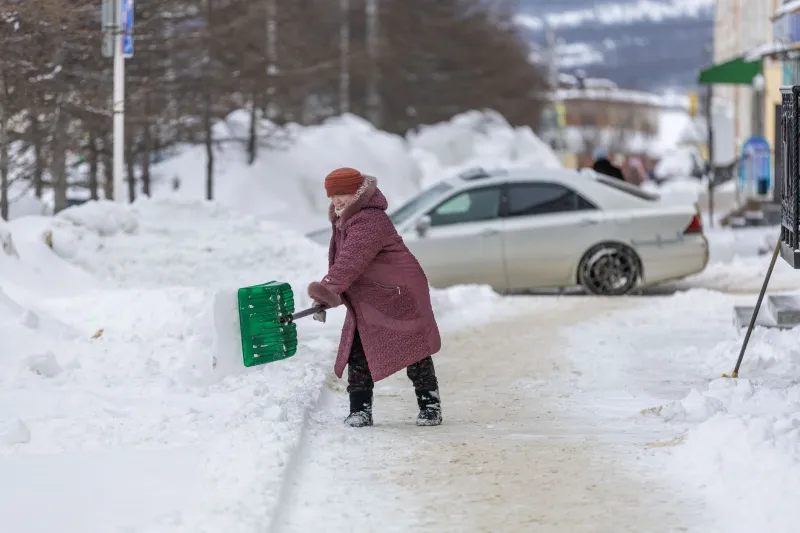
It's not glamorous, but it fills a real gap. Franklin County has plenty of senior services, and the folks on this block will happily point you to them. But a county program can't notice that Miss Ethel's driveway hasn't been shoveled by 10 a.m., or that her kitchen light is off at 7 p.m. when it's usually on. A neighbor can.
"The county does great work," Marcy says. "But they can't see my street from their office. We can. So we look."
What It Costs (Spoiler: Almost Nothing)
Here's the part that surprises people: the entire operation runs on roughly the cost of a nice dinner out each year. The trailer was the big spend. Beyond that, the budget is gas money, a few replacement chainsaw chains, and whatever coffee shows up when people gather.
The labor is the real currency. And the system has a clever way of keeping that ledger balanced without anyone keeping score. When the college kid at the end of the street mows for the widower across the alley, nobody writes it down. But everybody knows. And when that kid needed help moving a couch up a narrow staircase last fall, six people appeared with a plan and a furniture dolly within the hour.
Economists call this social capital. The block calls it "the way it ought to work."
Want to Steal the Idea? Here's the Blueprint
The good news for the rest of Ottawa is that this system isn't complicated, and it doesn't require a formal homeowners association or any legal machinery. Based on what worked here:
Start with a map, not a meeting. One neighbor sketched out every house on the block and marked who lived where, roughly by age and ability. No sign-up sheets, no commitments. Just knowing who's out there.
Inventory the equipment you already have. Chances are your block collectively owns every tool a household could need. The list just makes that ownership visible. Chainsaws, snowblowers, pressure washers, dollies, ladders — write it down and share the sheet.
Assign the check-ins before you need them. The worst time to figure out who's watching out for an elderly neighbor is during the ice storm. Pair people up in September. You'll be glad you did in January.
Buy shared gear only when renting gets expensive. The trailer made sense because storm cleanup is a recurring reality in east-central Kansas. If your block rents a rototiller every spring, do the math. Split it. Hang the key somewhere everyone can reach.
Keep the rules dumber than you think necessary. No dues, no officers, no minutes. The moment a mutual-aid group starts electing a treasurer, someone starts avoiding it. The barrier to entry here is: you live on the block. Congratulations, you're in.
Why This Matters More Than It Seems
There's a temptation to write off a story like this as small — one street, one trailer, a phone tree. But small is kind of the point. Ottawa has strong civic bones: service clubs, church kitchens, volunteer fire departments, a fair that pulls the whole county together. What this block figured out is that the layer closest to home — the twenty houses you can see from your porch — is a layer worth organizing too.
Winter's coming, as it reliably does. The next storm doesn't care whether your block has a plan. But the blocks that do will clear their sidewalks faster, check on their people sooner, and get back to borrowing each other's ladders for Christmas lights by mid-December.
The lawn mower's out. The trailer's parked. The list is laminated. On one Ottawa block, that's what a neighborhood that works looks like. It could look like yours, too.