The Couch, the Cat, and the Corkboard: One Week Inside Ottawa's Message Network
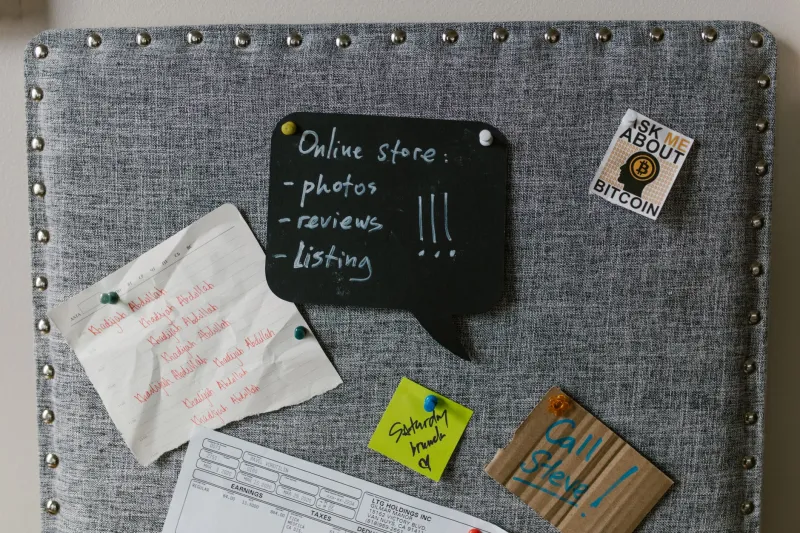
Somewhere between the produce aisle and the checkout line at the grocery store, there's a corkboard. It's not fancy. Half the pushpins are mismatched, a corner of it sags where somebody once leaned a poster of a lost beagle for so long the sun bleached the paper. But if you want to understand how Ottawa actually communicates, that sagging corkboard is as good a place to start as any.
We spent one recent week tracking the messages — digital and otherwise — that flow through town. A missing cat. A burned-out streetlight. A free couch that needed a new home by Friday. What we found wasn't chaos. It was a system. An informal, unpaid, occasionally hilarious system that keeps roughly 12,000 people loosely informed about nearly everything.
Monday: The Couch Posts
It started, as these things often do, with a photo taken on a phone in a driveway. "FREE COUCH — clean, no pets, must pick up by Friday, curb on Walnut." The photo went up in a local community Facebook group around 7:40 a.m. By 8:15, three people had tagged friends. By noon, the couch had a claim on it.
But here's the part most people never see: the couch also appeared, handwritten, on the grocery store corkboard by Monday evening. Someone in the original thread had printed the post and pinned it up. The digital and physical networks, it turns out, feed each other. A retired schoolteacher who doesn't do Facebook saw the flyer on Tuesday and mentioned it to her neighbor, whose grandson had just moved into his first apartment. Couch delivered Wednesday. Total elapsed time from post to pickup: roughly 48 hours.
"That's how it always works," one longtime Ottawa resident told us. "You never know which channel is going to catch it."
Tuesday: The Cat
Tuesday brought the missing cat — a gray tabby named Biscuit, last seen near the east side. The post went up with a blurry photo and the classic line: "She's friendly but will probably run if you approach."
Within hours, the comments section turned into a coordination hub. Someone suggested checking under porches. Someone else recommended setting out the litter box, which sounds like folklore but is genuinely backed by animal behavior folks — the scent can draw a scared cat back home. A woman who lives three blocks away posted that she'd keep her garage light on and her garage door cracked.
Biscuit came home Thursday morning, sitting on the front porch like nothing happened. The thread collected more than sixty comments, most of them encouragement, a few of them reports of other, unrelated gray cats that turned out not to be Biscuit. That's the other thing about these networks: they generate an enormous amount of well-meaning false leads, and everybody involved seems fine with it.
Wednesday: The Streetlight
Not everything on these boards is a rescue mission. Wednesday's notable post was a complaint — politely worded, with a photo — about a streetlight that had been out for over a week on a stretch of road where kids cross for school.
Here's where the informal network showed its civic muscle. Commenters tagged the right people, pointed the poster toward the city's reporting line, and shared their own experiences with how long repairs typically take. One commenter, clearly a veteran of municipal bureaucracy, laid out a step-by-step: report it online, note the pole number, follow up in ten days if nothing happens.
The light was fixed the following week. Was it the Facebook post that did it? The phone call? Impossible to say. But the poster updated the thread with a thank-you anyway, because that's the custom.
The Dispatchers
Every network like this has its hubs — people we started calling the dispatchers. They're the ones who cross-post the lost dog flyer from Facebook to the church newsletter. They're the ones who remember that the woman asking about a wheelchair ramp got one built by volunteers two winters ago, and who make the introduction. They know which grocery store board gets the most foot traffic and which gas station's board is strictly for hay and hunting gear.
The dispatchers aren't elected and they don't have titles. They're retired folks with time, stay-at-home parents with a phone in hand, small business owners who let the corkboard live on their wall. If you asked them, most would shrug. But watch the flow of information for a week and you'll see their fingerprints on nearly everything.
Why It Still Matters
You could argue that in the age of smartphones, a corkboard is a relic. But the two systems do different jobs. Facebook reaches people fast and wide. The corkboard catches the people the internet misses — the ones without accounts, the ones who'd rather read a flyer over a cup of coffee than scroll a feed. The church newsletter grapevine adds a third layer, slower but deeply trusted, especially among older residents.
Together, they form something no single platform could: a town-scale nervous system, redundant and resilient. When one channel fails, the others pick up the slack. A couch gets claimed, a cat comes home, a streetlight gets fixed.
So next time you're in the grocery store, give the corkboard a look. Maybe pin something up. Maybe take something down that's been there since summer. The system only works because people keep feeding it — one post, one flyer, one tag-a-friend at a time.