The Town's Morning Roll Call: Coffee, Callers, and the 1220 AM Habit
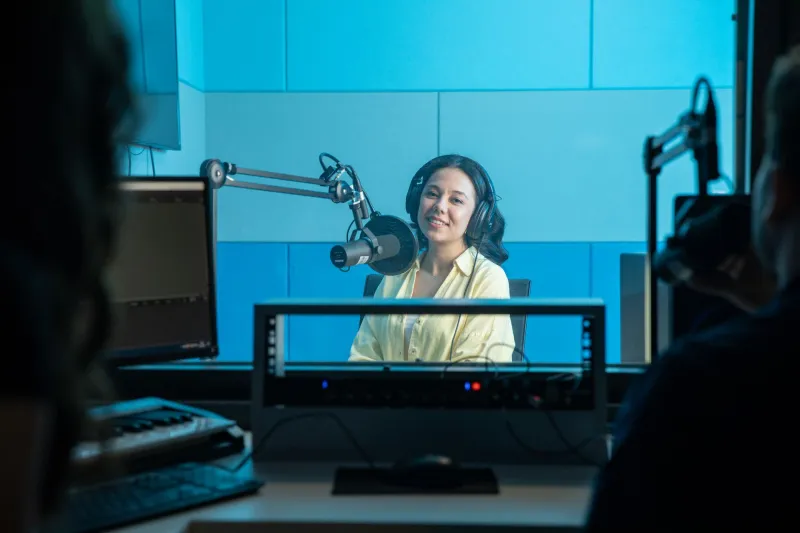
The coffee starts before the sun does. By the time the first farm report rolls around, the pot in the corner of the 1220 AM studio has already been emptied once, the log sheet has a few pencil smudges, and somebody has propped the back door open to let in a little November air. It is not a glamorous scene. It is not supposed to be. It is, however, one of the most reliable morning rituals in Ottawa, Kansas.
Dial 1220 and you get a voice that sounds like it has been there awhile. Maybe it has. Local radio has a way of outlasting formats, fashions, and whatever the dashboard is doing this year. In a town this size, the AM dial is less a broadcasting platform than a shared kitchen table. You tune in for the weather, sure. You stay because somebody might mention your cousin's auction, your kid's ballgame, or the fact that a black lab got loose near the fairgrounds.
The First Cup and the First Call
Mornings at the station move in short, practical bursts. There is a weather check, a look at the school calendar, a quick pass through the obituaries and the community bulletin board, and then a song that somebody specifically asked for. The phone does not ring constantly. It rings at exactly the right times.
A woman calls to confirm the time for a church supper. A retired farmer wants to know whether the frost warning applies to his tomatoes. Somebody else is looking for a ride to a doctor's appointment in Emporia and has already called two neighbors. The host listens, repeats the details back, and slides the information into the next break like a note under a magnet on the fridge.
That is the thing about local radio that streaming services have never quite figured out. A playlist can guess what you want to hear. It cannot tell you that the westbound lane on a county road is closed, that the high school is running a chili feed before the game, or that Betty's grandson is turning eight and would get a kick out of hearing his name on the air.
A Bulletin Board You Can Hear
Every town has a message network. Ottawa has several, but the radio one is different because it comes with a human voice attached. The community calendar is not a database. It is a conversation. The host reads an item, adds a little context, maybe jokes about the bake sale, and moves on. Nobody has to open an app or scroll past three ads to find out what is happening on Saturday.
On this particular morning, the rundown includes a blood drive, a library story hour, a benefit for a family dealing with medical bills, and a reminder that the American Legion hall is renting out tables for a craft fair. It is a lot of information, but it never feels like a data dump. It feels like somebody standing at the counter of the coffee shop saying, "Hey, don't forget."
The school cancellation season is the real test. When the forecast gets squirrely, the phone lines light up and the station becomes a low-tech emergency alert system. Parents listen in the driveway. Bus drivers call from the lot. The host reads the closings in a steady voice, repeats the ones that matter most, and tries not to trip over the name of every district in the county. It is not flashy. It is exactly what people need.
The Request Line Is Not a Relic
There is a myth that nobody calls radio stations anymore. The request line at 1220 would like a word. It is not ringing off the hook like it is 1978, but it is alive. The callers are a mix of longtime listeners, folks driving to work, and a few people who just want to hear a certain song because it reminds them of somebody.
One caller asks for a Merle Haggard tune and mentions that his father used to sing it badly in the truck. Another wants a gospel song for a friend in the hospital. A third calls to request anything upbeat because the morning has started rough and the dog got out. The host takes the request, plays it, and says the caller's name on air. That is it. That is the whole transaction. It is small, but small things add up.
In a media landscape built on scale, the 1220 AM signal is stubbornly local. The signal does not reach a metro area. It reaches Ottawa, the surrounding towns, the truck routes, and the kitchen tables where somebody still has an AM dial. That limitation is the point. The station is not trying to be everything to everyone. It is trying to be useful to the people who live here.
What Gets Said Between the Songs
Not every moment is a public service announcement. Some of the best radio happens in the gaps: the offhand remark about the price of beef, the story about the time the station lost power during a storm, the good-natured argument about whether the Cyclones have a shot this year. The hosts are not performing expertise. They are sharing airtime the way neighbors share a fence line.
That casual rhythm is harder to pull off than it sounds. The crew behind the scenes keeps the log straight, cues the weather, watches the clock, and fields calls that do not make it on air. Somebody has to decide which birthday wishes get read and which ones get a quick mention. Somebody has to make sure the school closure list is accurate before a parent makes a decision about the day. None of it is glamorous. All of it matters.
The People on the Other Side of the Dial
The audience is not abstract. It is the guy in the feed store parking lot with the radio on. It is the home health aide driving between appointments. It is the grandmother who keeps the station on all day because the house feels less quiet that way. It is also the teenager who stumbled onto the frequency by accident and stayed because the host told a dumb joke that made him laugh.
That is what makes the 1220 AM habit personal. The station knows the town's rhythms because it lives inside them. It knows when the fair is coming, when the ball season starts, when the weather is about to turn, and when somebody needs a little help. It also knows that a birthday wish or a lost dog announcement can be the most important thing on the air that day.
Why It Still Works
Local radio is not immune to change. The equipment ages. The advertising market shifts. Younger listeners have more choices than ever. But the core service remains the same: a human voice, a local number, and a reason to tune in. In Ottawa, that is enough. It has been enough for a long time.
So the coffee gets made, the request line gets answered, and the bulletin board gets read out loud. Somewhere on the edge of town, somebody turns the dial to 1220, hears a familiar voice, and feels a little more connected to the place. That is not nostalgia. That is community, delivered one morning at a time.