Curtains Up on a Budget: The People Powering Ottawa's Live Music and Theater Scene
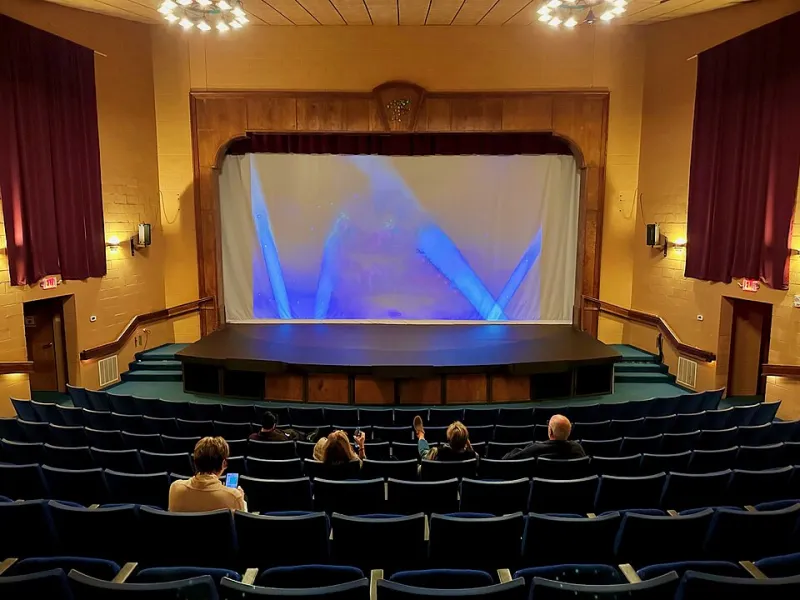
Photo: Harrison Keely, CC BY 4.0, via Wikimedia Commons
Ask around Ottawa about live entertainment and you'll get the same answer from everyone, usually with a shrug: there's more going on than people realize. The problem isn't a shortage of shows. It's that most of them run on word of mouth, a flyer at the grocery store, and a Facebook event page that half the town never sees.
So consider this your field guide — to the venues, the programs, and above all the people who make sure that on any given weekend, somebody in Ottawa is on a stage.
The Volunteer Economy of a Small-Town Show
Here's the thing about community theater in a town of roughly 12,000: nobody in it is doing it for the money, because there isn't any.
"Everybody wears six hats," one longtime local director told us. "I've directed shows where I also painted the set, ran the sound board, and made a Costco run for intermission cookies at ten o'clock the night before opening."
That's not a complaint — it's the business model. Community productions here survive on a rotation of the same reliable principle: people who had fun in one show come back for the next one, and they bring a friend. Sets get built in garages. Costumes come out of closets and church thrift stores. Rehearsal space is donated because somebody knows somebody.
The result is theater that feels less like a product and more like a potluck. And audiences can tell the difference. When the person playing the villain on Friday night is your neighbor's dentist, you show up to support, and you stay because it's genuinely fun.
Where the Music Lives
Ottawa's live music scene runs on a handful of dependable stages:
- Downtown venues and cafes hosting acoustic nights, open mics, and touring singer-songwriters passing through on the Kansas City-to-Wichita circuit
- Church and community halls, where gospel groups and bluegrass outfits have played for generations
- City Park, which turns into an outdoor concert venue when the weather cooperates and the community band or a local act sets up under the summer sky
- School auditoriums, which double as the biggest stages in town and the training ground for nearly everyone who performs on the others
Local musicians describe the scene as small but surprisingly connected. Ottawa sits close enough to the Kansas City metro to attract acts rolling through on tour, but cheap enough — in the best sense — that a Tuesday open mic feels like a neighborhood gathering rather than a night out you have to budget for.
"We're not trying to be a music city," one player told us between sets. "We're trying to be a place where music happens. That's easier."
The School Pipeline
If you want to understand why Ottawa's stages never stay dark for long, look at the schools. Band, choir, and drama programs here feed directly into the adult scene — the volunteers building sets today were the kids memorizing lines a decade ago.
High school musicals and concerts routinely draw crowds that would embarrass some professional venues, and for good reason: these are community events in the fullest sense. Grandparents, employers, former teachers, the woman who ran the concession stand in 1997 — everybody shows up.
The adults who run those programs will tell you the pipeline runs both ways. Students get mentors from the community theater crowd; the community theater crowd gets fresh energy (and fresh casts) every few years. It's a closed loop, and it works.
A Seasonal Calendar to Circle
While exact dates shift year to year, here's the general rhythm of Ottawa's stage calendar:
- Fall: School theater season kicks off, and downtown acoustic nights return as the weather cools
- Winter: The high school musical — reliably the biggest production of the year — plus holiday concerts from church and school groups
- Spring: Community theater productions and spring band and choir concerts stack up fast
- Summer: Park concerts, community band performances, and traveling acts passing through
The best move is simple: follow the local school district's event calendar, keep an eye on downtown businesses' bulletin boards, and when you see a show announced, buy the ticket. These productions live and die on turnout.
Show Up
Every person we spoke with for this piece said some version of the same thing: the scene doesn't need saving, it needs attending. A full house is the only grant program these productions have.
So the next time you see a poster for a play at the auditorium or hear about an open mic downtown, go. Order the coffee, clap too loud, and maybe — when the director makes the inevitable plea for help building the next set — raise your hand.
That's how a small town keeps a big stage.