Fourth Grade to the Council Dais: Ottawa's Next Generation Finds Its Civic Voice
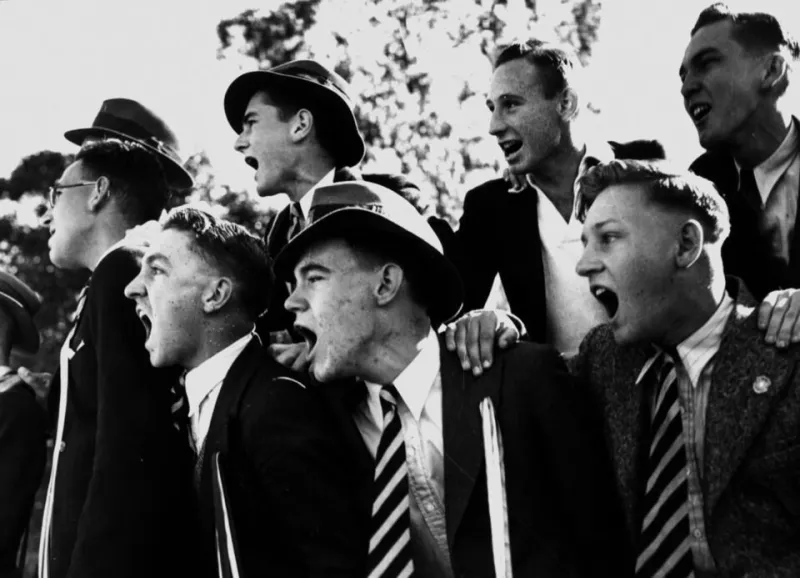
Photo: Unknown, Public domain, via Wikimedia Commons
Civic engagement in Ottawa doesn't start at 18 with a voter registration card. For a surprising number of kids here, it starts in fourth grade, with a permission slip and a spot on a rec league board, or in high school, notebook in hand, at a school board meeting that runs past bedtime.
We spent time looking at how Ottawa's young people plug into the decisions that shape their town — and what it would take to give them an official seat at the table.
The Unofficial Pipeline
There's no single program that turns Ottawa kids into civic adults. Instead, there's a loose collection of entry points:
-
Youth sports boards and rec leagues. Kids who age out of playing sometimes stay on as junior coaches, scorekeepers, or junior board members. It's the first taste of Robert's Rules of Order most of them get, even if nobody calls it that.
-
Student government, beyond the dance committee. Ottawa High's student council does the traditional prom-and-pep-rally work, but the more interesting development is when student reps are invited to present to adult bodies — a budget request to the booster club, a facility concern to the district.
-
Student journalists. A handful of high schoolers have made a habit of covering school board meetings for the student paper, sitting in the same room as the adults making decisions about their schedules, their facilities, and their activities budgets. It's the closest thing Ottawa has to a youth press corps, and it matters.
-
Church and service club youth arms. The Lions and Rotary clubs in town have historically sponsored youth programs — speech contests, leadership camps, exchange programs — that quietly function as civic training grounds.
Three Students, Three Entry Points
We asked around about students who've made civic engagement feel normal rather than nerdy.
There's the sophomore who started as a scorekeeper for middle school basketball and now sits in on league scheduling meetings, advocating for practice time for the smaller schools. There's the senior who spent two years covering board meetings for the school paper and can explain the district's budget process better than most adults in the room. And there's the middle schooler who organized a petition to get a crosswalk repainted near her school — and got it done.
Different ages, different arenas, same instinct: if it affects us, we should have a say.
What About a Formal Youth Council?
Plenty of Kansas cities have them — advisory boards of high schoolers who review issues, offer recommendations, and occasionally get non-voting seats at committee tables. Wichita, Topeka, and several mid-sized towns have run versions over the years.
So we asked: what would it take in Ottawa?
The answers, from folks who've worked with city boards, tend to circle a few practical points:
- A sponsoring body. A youth council needs an official home — city commission, school district, or a joint resolution — to have any standing.
- An adult convener. Someone with the patience to shepherd bylaws, meeting schedules, and application cycles.
- A real task. Advisory boards die when they're given nothing to advise on. The successful ones get actual assignments: park planning input, youth programming gaps, downtown events.
- Recruitment beyond the usual suspects. The kids already in student government don't need another title. The ones who'd benefit most — kids who work weekends, kids who've never been inside City Hall — need a deliberate invitation.
Why It Matters Here
Ottawa's young people already vote with their feet on civic questions — whether to stay, whether to come back after college, whether to start something here. Giving them structured practice in local government doesn't just produce better meetings. It produces adults who know how the water board works and aren't intimidated by it.
The fish fry fundraisers (see our other piece) prove the town already knows how to organize around a shared table. A youth council would just be another table — with better Wi-Fi and slightly less coleslaw.
If you're a student, a parent, or an official who thinks this idea has legs, the first step is simple: show up to a meeting, ask the question out loud, and see who else is already wondering the same thing. That's how most good civic ideas start in Ottawa.